 100-night sleep trial
  100% satisfaction guarantee
  Free delivery and returns
  10-year warranty


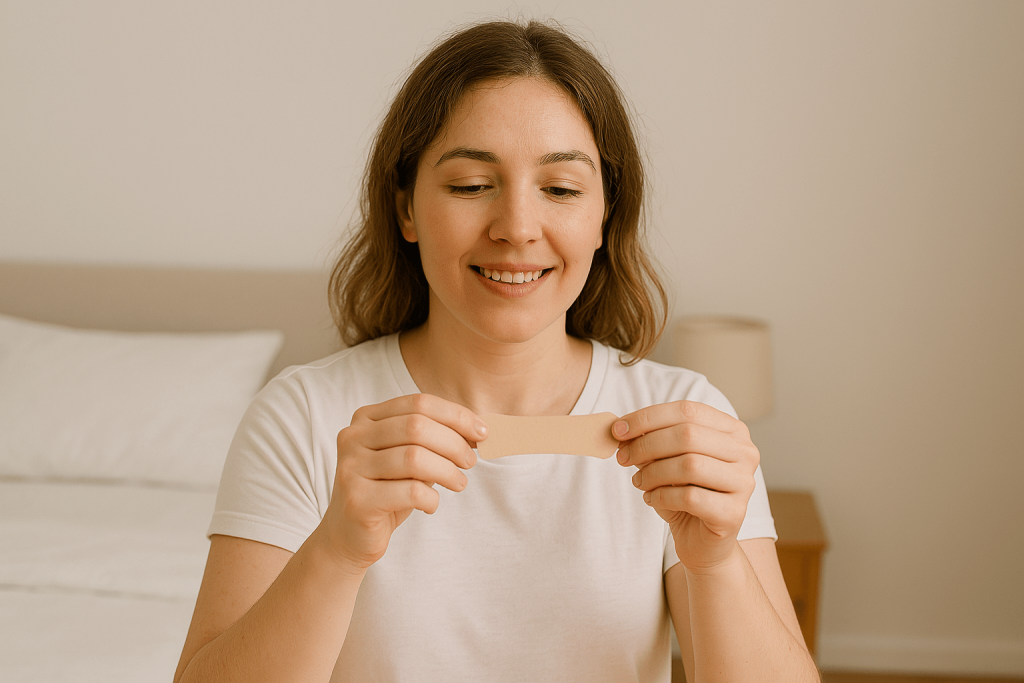

They’re popping up everywhere: influencers with anti-snoring strips and celebrities swearing by “mouth tape.” These simple tools claim to reduce snoring and improve sleep quality. It sounds easy, but how effective are these mouth and nasal strips?
In this article, we’ll dive deeper into what anti-snoring strips are, how they work, and whether they truly help you sleep better.
What are anti-snoring strips?
Anti-snoring strips are adhesive strips worn on your nose or mouth to help reduce snoring and improve breathing. They’re designed to address common causes of snoring, such as mouth breathing while you sleep.
There are two main types of strips:
- Nasal strips: These are applied across the bridge of your nose to open up your nasal passages, making it easier to breathe through your nose.
- Mouth tape: These are applied over your lips to keep your mouth closed, encouraging you to breathe through your nose.
Both types aim to promote calmer, more natural breathing, reducing the likelihood of snoring. The effectiveness depends on the specific cause of your snoring.
How do nasal trips and mouth tape reduce snoring?
Snoring occurs when the soft tissues in your throat vibrate as you sleep. During sleep, your muscles relax, narrowing your airways and increasing the risk of snoring. Causes can include nasal congestion or mouth breathing.
Anti-snoring strips are designed to improve airflow and keep airways clear, potentially reducing vibrations and, in turn, snoring.
Nasal strips for snoring
Nasal strips gently lift and open your nostrils, improving nasal airflow. They are especially helpful if you have a stuffy nose or suffer from allergies.
By enhancing nasal breathing, you’re less likely to breathe through your mouth—a common trigger for snoring.
Mouth tape for snoring
Mouth tape keep your mouth closed during sleep, promoting nose breathing. This can help prevent mouth breathing, which often exacerbates snoring.
Breathing through your nose is not only better for reducing snoring but is also generally healthier. It supports calmer, more consistent breathing and lowers the chances of airway vibrations that cause snoring.
What does science say: do anti-snoring strips really work?
Research on the effectiveness of nasal and mouth tape for snoring is still limited. While TikTok and Instagram users rave about these products, scientific opinions are mixed.
Studies show that nasal strips can improve airflow in people with nasal congestion but have less impact on more complex sleep disorders like sleep apnea. Mouth tape, on the other hand, have shown promise for individuals who unconsciously breathe through their mouths while sleeping.
What is clear, however, is that nose breathing is better for overall health. It can reduce snoring, improve oxygen intake, and even support cognitive function.
Sleeping tape: is it enough to combat snoring?
An anti-snoring strip can be a helpful tool, particularly if you struggle with nasal congestion or mouth breathing. However, it’s not a standalone solution. Factors like sleep position, lifestyle, and overall health also play a significant role in addressing snoring.
We’re here to help you improve your sleep quality. With our high-quality products, like our new adjustable pillow, and personalized advice, you can work towards better rest.
If your snoring persists, it’s always wise to consult a doctor.

