 100-night sleep trial
  100% satisfaction guarantee
  Free delivery and returns
  10-year warranty


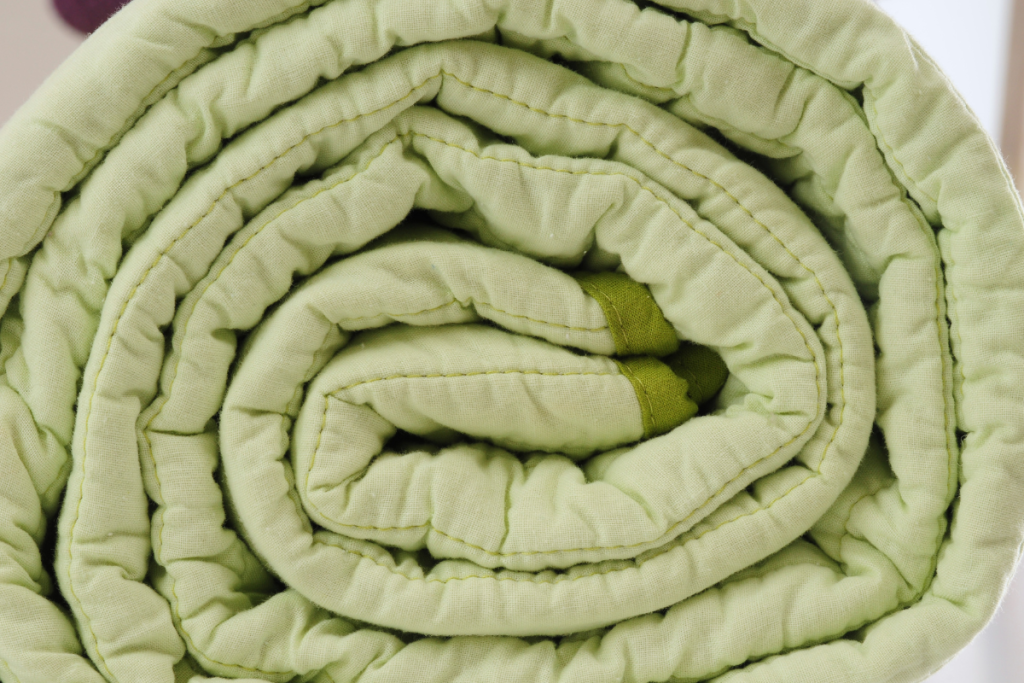

Imagine never struggling with a duvet cover again or spending extra time making the bed. That’s the promise of the coverless duvet—a bedding option that’s gaining popularity among people looking for a simpler, more convenient sleep solution. But does an all-in-one duvet really deliver on its promises? In this article, we’ll cover everything you need to know about this innovative duvet design so you can decide if it’s worth the switch.
-
Table of contents
- 1. What is a duvet without a cover?
- 2. Benefits of a duvet without cover
- 3. Who benefits most from a duvet without a cover?
- 4. Potential drawbacks of an all-in-one duvet
What is a duvet without a cover?
A coverless duvet combines the duvet and cover into one piece. Unlike a traditional duvet, which requires a separate cover, a duvet without a cover has an integrated outer layer. This design allows you to wash the entire duvet at once, saving time when changing and making the bed—a key reason for its rising popularity.
Types of coverless duvets
Coverless duvets are referred to by different names, including:
- All-in-one duvet
- Duvet with a built-in cover
- Duvet without a cover
- Coverless duvet (common in English-speaking regions)
- Two-in-one duvet
While the names may vary, they all describe the same type of duvet: one that doesn’t require a separate cover and can be washed as a single piece.
Benefits of a duvet without cover
Coverless duvets offer several advantages:
1. Low-maintenance & time-saving
With a duvet without a cover, you simply wash the entire piece. There’s no separate cover to wrestle with, which makes it a practical option for anyone looking to simplify bed-making.
2. Hygienic
The ability to wash the entire duvet means both the outer layer and the filling stay fresh and clean, helping to reduce allergens, dust, and skin particles. This can be especially helpful for people with allergies, who are often advised to wash bedding frequently.
3. Wide variety of designs
Coverless duvets come in various colors, patterns, and fabrics—from subtle tones to vibrant prints—making it easy to style your bedroom to your taste without the need for separate covers.
Who benefits most from a duvet without a cover?
The features of a duvet with an integrated cover make it particularly useful for:
- Busy households and families: For those with tight schedules, coverless duvets allow quick, hassle-free bed changes.
- Allergy sufferers: The easy-wash design helps reduce dust and allergens, which can improve sleep quality.
- Healthcare settings and high-hygiene environments: With its simple design and washability, a coverless duvet is ideal for use in care facilities or hospitals where cleanliness is essential.
- Anyone looking for easy upkeep: Research shows bedding should ideally be washed weekly—a standard some find difficult to meet. A coverless duvet simplifies the process, making frequent washing more manageable.
Potential drawbacks of an all-in-one duvet
While a duvet without a cover is a convenient option for many, there are some drawbacks to consider:
- Faster wear from frequent washing: Because the entire duvet is washed rather than just a cover, it may wear out sooner than a traditional duvet.
- May not fit in all washing machines: Larger sizes, such as king-size coverless duvets, might not fit in standard washing machines, making a larger machine or a trip to a laundromat necessary.
- Limited temperature options for washing: Some coverless duvets cannot be washed at high temperatures. Studies indicate that 60°C is more effective at killing bacteria and dust mites than 40°C, which only removes around 6.5% of dust mites.
- Less flexibility in design: With a coverless duvet, you’re limited to one look as you can’t change covers. If you enjoy changing your room’s style often, a traditional duvet with interchangeable covers may be more practical.

