 100-night sleep trial
  100% satisfaction guarantee
  Free delivery and returns
  10-year warranty


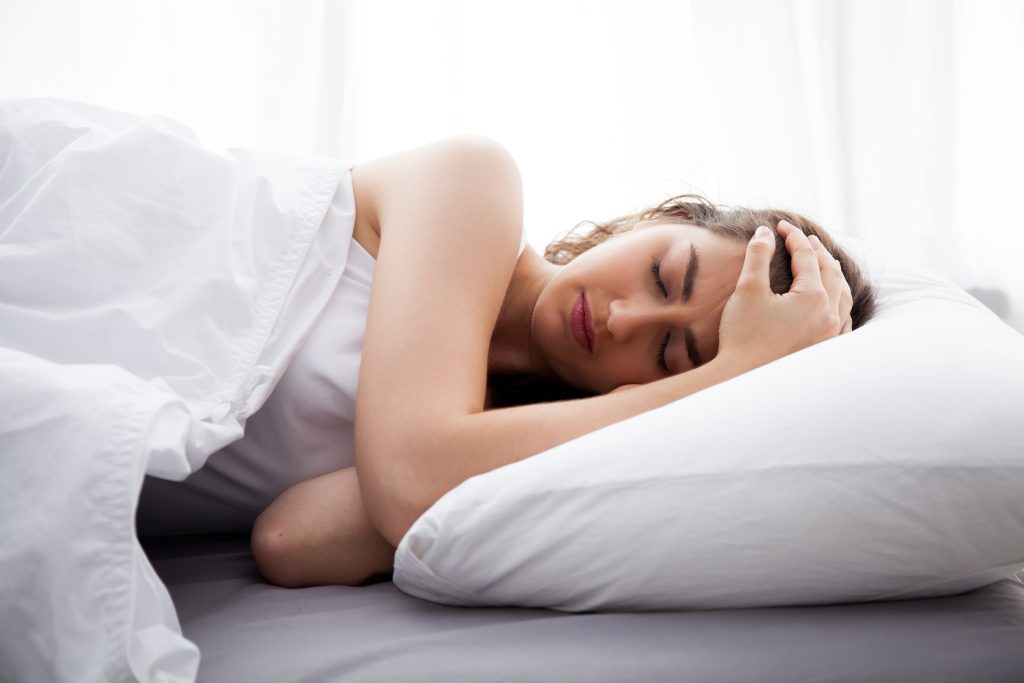

Almost 10% of people wake up with a headache from time to time. It’s a frustrating way to start the day, and there can be various causes. In addition to health conditions, sleep problems, and an unhealthy lifestyle, your pillow can also contribute to morning headaches. This article explores how this can happen and helps you choose the best pillow for headaches.
How a pillow can cause headaches
An old, poor, or incorrect pillow can lead to poor sleeping posture. This can place a lot of tension on your neck, head, and shoulders, resulting in pain, including headaches.
Additionally, allergies to certain materials, such as down or latex, can also cause headaches.
Choosing the right pillow to reduce headaches
Here are the key aspects to consider when choosing a pillow to prevent headaches.
1. Thickness/Loft
A pillow that is too high or too low can put your neck in an unnatural position, leading to muscle tension and headaches. It’s important to choose a pillow that supports the natural curve of your neck and matches your sleeping position. For instance, side sleepers generally need a thicker pillow than stomach sleepers.
2. Material
The material of your pillow can also play a significant role in preventing headaches. Memory foam and latex pillows can conform to the contours of your head and neck, providing good support. Additionally, hypoallergenic pillows can help prevent allergic reactions.
3. Firmness and support
A good pillow should adequately support your head and neck to reduce tension. Pillows designed for orthopedic support can help reduce pressure on your neck muscles and prevent headaches.
4. Sleeping position
A healthy sleeping position keeps your spine in natural alignment, reducing tension and the chance of headaches.
- Side sleeper: Opt for a thicker pillow to fill the space between your head and the mattress, providing proper neck support.
- Back sleeper: A medium-thick pillow that supports the natural curve of your neck is usually the best choice.
- Stomach sleeper: Use a flat pillow to minimize neck tension and maintain a natural posture.
5. Personal preference
The best pillow for headaches depends on the individual. Personal preferences or conditions that may worsen headaches upon waking should be considered.
Snoring
People who snore are more likely to wake up with headaches than non-snorers. A special anti-snoring pillow can help keep the airways clearer. You can also adjust your sleeping position, as snoring is more common when you sleep on your back.
Allergies
If you are sensitive to allergies, it is important to choose a hypoallergenic pillow. These pillows are often made from materials that are less likely to cause allergic reactions.
Hot sleepers
For people who get warm quickly during sleep, a pillow with good ventilation and breathable material can help prevent overheating. This can indirectly reduce headaches, as overheating at night can lead to restless sleep and tension.
How the right support can prevent headaches
The right support from your pillow can make a significant difference in preventing headaches. A pillow that fits your personal preferences and sleeping position can help reduce muscle tension and pressure points. There are orthopedic pillows specifically designed to prevent neck pain and headaches. These pillows are sometimes used as anti-migraine pillows to help reduce migraine symptoms.
Further sleep tips to reduce headaches upon waking
In addition to choosing the right pillow, there are other measures you can take to reduce headaches upon waking. Here are some sleep tips to help you wake up rested and headache-free:
- Maintain optimal sleep hygiene.
- Keep a regular sleep schedule.
- Drink enough water during the day.
- Limit caffeine intake.
- Ensure good humidity in the bedroom.
- Follow a relaxing evening routine.
- Avoid screens one hour before sleeping.
- Consult a doctor for persistent complaints.

