 100-night sleep trial
  100% satisfaction guarantee
  Free delivery and returns
  10-year warranty


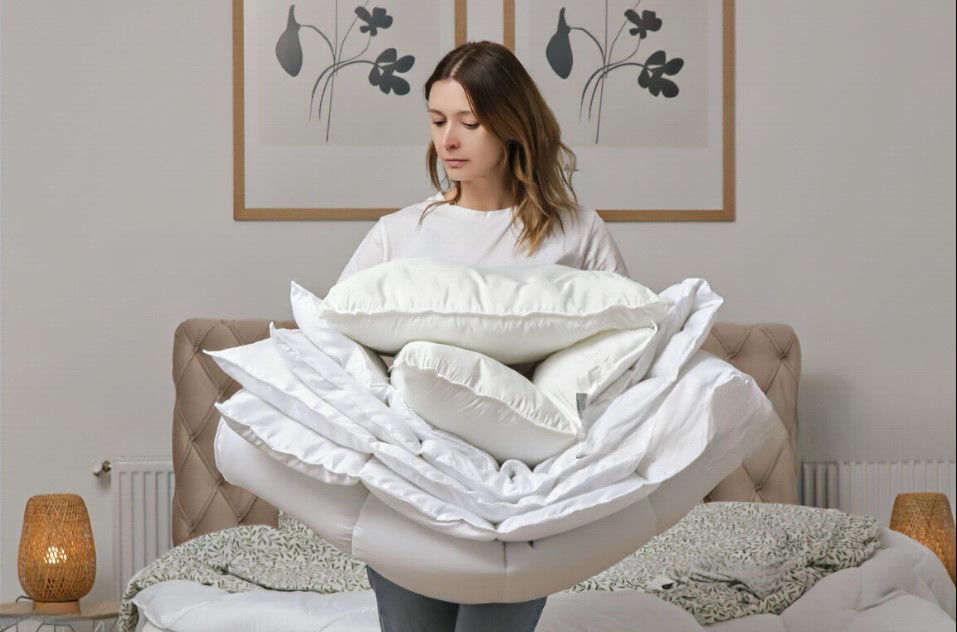

Your duvet impacts your sleep comfort and the warmth you experience in bed. It is crucial for a good night’s sleep, but unfortunately, no duvet lasts forever. How do you know when it’s time to replace your duvet? In this article, we share the signs indicating it’s time for a new duvet and provide tips for choosing a new one.
How often should I replace my duvet?
A duvet should typically be replaced every five to ten years, depending on the type and quality of the filling. Synthetic duvets generally have a shorter lifespan than down duvets. It’s also essential to follow the washing instructions carefully to maintain quality.
The average lifespan by material is as follows:
- Synthetic: 5 years
- Wool: 8 years
- Down: 10 years
- Cotton: 5-7 years
- Bamboo: 5-8 years
7 signs it’s time to buy a new duvet
There are several ways to determine if your duvet needs replacing. Here are the key signs.
-
Your duvet is old
After an average of 5 to 10 years, a duvet often loses its shape, comfort, and insulating properties. The duration of use determines if your duvet needs replacing.
-> discover more tips for when you’re cold in bed
-
Your duvet has lumps or an uneven filling
When the filling starts to shift and forms lumps, it’s time to replace your duvet. A duvet that has lost its shape and is no longer evenly distributed does not provide the right insulation and comfort.
-
You’re cold while sleeping
One of the primary functions of a duvet is to provide warmth. Over time, duvets lose their insulating ability, especially if washed frequently. If you find yourself feeling cold at night more often, it might be a sign that your duvet needs replacing. Research shows a cold sleeping environment can negatively impact sleep quality. A new duvet can help create a better sleep climate.
-
You suffer from allergies
If you frequently experience allergic reactions such as sneezing, coughing, and skin irritations, your duvet might be the culprit. Old duvets can become a breeding ground for dust mites, molds, and other allergens over time. Replacing your old duvet ensures a more hygienic sleeping environment and prevents health issues.
-
Your duvet has a musty smell
An unpleasant odor is a sign that your duvet has had its day, especially if the smell persists despite regular washing. A musty smell can indicate that your duvet has become damp inside and possibly contains mold.
-
The duvet has visible stains or damage
A duvet with visible wear and tear not only looks less appealing but also loses functionality and comfort. A duvet with tears, holes, or stubborn stains can have negative effects such as:
- Reduced insulating ability: Warmth is no longer evenly distributed, leading to cold spots and less comfort.
- Decreased hygiene: Dirt, dust, and allergens can accumulate in damaged areas, causing more allergic reactions. This is especially important for people with allergies and asthma.
-
Your sleep needs have changed
Your sleep needs can change over the years. Changes in body temperature, hormones, or personal preferences influence which duvet suits you best. If your sleep quality has declined without a clear reason, consider whether your current duvet still meets your needs.
Tips for buying a new duvet
Is your duvet due for replacement? There are many options available. Here are some tips to help you choose a new duvet that perfectly suits your needs.
- Choose the right material: Down, wool, cotton, and synthetic materials each have their advantages. Select what suits you best, such as airy down or easy-to-maintain synthetic duvets.
- Pay attention to the warmth class: Duvets are categorized by warmth classes. Choose a duvet that matches your bedroom temperature and personal preferences.
- Personal preference: Warm sleepers benefit from cooling duvets, while those who get cold quickly should opt for insulating material. Also, consider allergies.
- Quality and durability: Invest in a high-quality duvet. It can save money in the long run and ensure better sleep quality.
- Conditions and reviews: Check the purchase conditions and read customer reviews to make an informed choice.
- Size and budget: Choose the right size for your bed and determine a budget that fits your financial situation.
Why should you replace your duvet?
Old, worn-out, or unsuitable duvets not only reduce comfort but can also negatively affect your sleep quality. They may contain allergens and have diminished insulating ability. Replacing your duvet ensures you continue to enjoy an optimal sleep climate, comfort, and good hygiene.

