 100-night sleep trial
  100% satisfaction guarantee
  Free delivery and returns
  10-year warranty


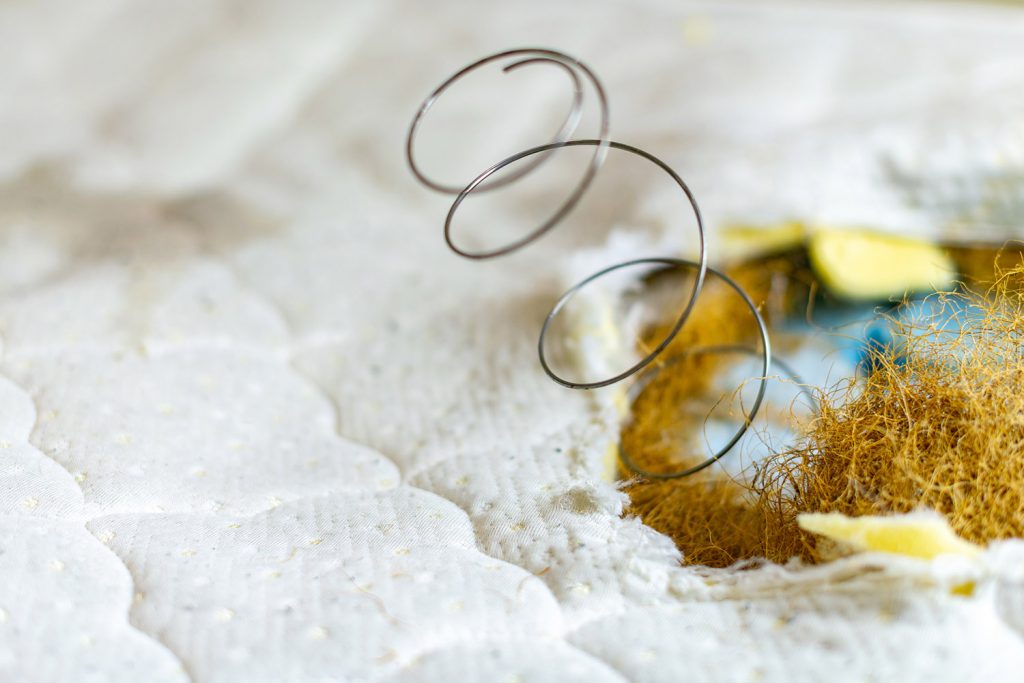

How long does a mattress last? It’s a common question, and for good reason. Your mattress is one of the most important items in your home — after all, you spend about a third of your life on it! On average, a it lasts between 7 and 10 years, but its actual lifespan depends on factors like the materials, maintenance, and even your sleeping habits. Wondering if your mattress has reached the end of its life? We’ll break down what to expect from different types and provide tips to extend the lifespan of your mattress.
-
Table of contents
- 1. Lifespan of different mattress types
- 2. How to extend the lifespan of your mattress
Lifespan of different mattress types
The lifespan of a mattress is determined by the materials used and how intensively it’s used. Below, we outline the average lifespan of various mattress types. Keep in mind that luxury mattresses often contain multiple foam types, which can impact longevity.
Cold foam (10-12 years)
Cold foam is known for its durability, lasting 10 to 12 years. Its open-cell structure provides excellent resilience and ventilation. Cold foam mattresses with a high HR (High Resilience) rating (HR35+) generally have a longer lifespan.
Pocket spring (8-10 years)
Pocket spring mattresses typically last between 8 to 10 years, depending on the quality of the steel. Cheaper versions may show wear sooner, while higher-end models retain their bounce longer.
Memory foam (8-10 years)
Memory foam conforms to your body but offers less resilience than cold foam, which can lead to sagging over time. On average, memory foam mattresses last 8 to 10 years, especially those with a high HR rating.
⮕ In our mattresses, we use advanced Serene foam instead of memory foam. Curious about the benefits of this material? Read our blog comparing memory foam and Serene foam.
Latex (6-8 years)
Latex mattresses tend to have a shorter lifespan due to their sensitivity to friction and moisture. On average, these mattresses last 6 to 8 years, but heavy use can shorten this period.
Innerspring (6-8 years)
Although less popular, innerspring mattresses typically last between 6 to 8 years, depending on the quality of the steel. Some people keep them longer, but sleep quality often declines quickly.
Polyether (up to 5 years)
Polyether mattresses have a short lifespan due to their closed-cell structure, which breaks down quickly. These mattresses last up to 5 years and are prone to sagging.
How to extend the lifespan of your mattress
To make the most of your mattress, proper maintenance is key. Here are some effective tips to significantly extend its lifespan:
- Invest in a mattress topper: Using a topper on your mattress reduces direct wear and tear. A topper also absorbs moisture and dirt, improving mattress hygiene. Keep in mind that mattress toppers have a lifespan of 3 to 5 years.
- Regular cleaning and ventilation: Keeping your mattress clean prevents the buildup of dust, skin cells, and bacteria. Regularly airing out your mattress helps remove moisture, which promotes freshness and extends its lifespan.
- Rotate and flip your mattress: For some mattress types, it’s recommended to rotate or flip them periodically to ensure even wear. This helps maintain support and shape over time.
Need personalized advice for your mattress?
Not sure if your mattress needs replacing? Research shows that replacing an old mattress can improve sleep quality by up to 55% and significantly reduce back pain. If you’ve been sleeping on the same mattress for years, it might be time to consider an upgrade.
Our Morningstar mattress, featuring high-quality foam layers, offers the support you need for a better night’s sleep. Contact us for personalized advice and discover how a new mattress can enhance your sleep comfort!

